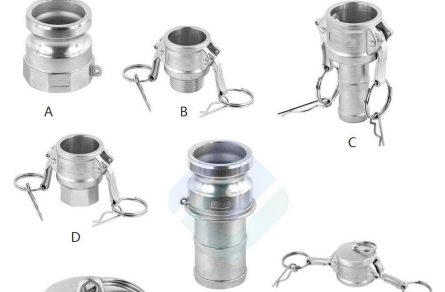
When selecting the right quick connect couplings, users often grapple with various issues and real intentions stemming from specific application needs. For instance, industrial operators may need robust and reliable connections for fluid transfer systems, while DIY enthusiasts look for easy-to-use fittings for home improvement projects. The challenge lies in determining what characteristics are most critical for durability and efficiency. It’s essential to match your specific requirements with high-quality stainless steel camlock quick couplings from reputed brands like Cencho, ensuring optimal performance across diverse situations.
Understanding Your Needs: Identifying Pain Points and Solutions
Before diving into the selection process, let’s dive into typical pain points users experience:
Compatibility Issues: Often, users struggle with finding a coupling that fits their existing equipment.
Material Concerns: Many are unsure whether to choose stainless steel over other materials, considering factors like corrosion resistance and longevity.
Application Variabilities: Selecting a coupling that can handle different pressures and temperatures can be confusing.
To counter these challenges, a thorough understanding of your application requirements is necessary. For instance, an agricultural engineer, John, faced recurring connections failures using plastic couplings during irrigation tasks—leading to downtime and increased costs. By switching to stainless steel camlock quick couplings, not only did he eliminate leakage issues, but he also reported a significant 50% reduction in repair time after a month of use.
Required Preparation: Detailed Tutorials, Materials, and Tools
In preparing to choose the right camlock fittings for your application, consider the following materials and tools:
**Materials Needed**:
Stainless Steel Camlock Quick Couplings (size and type based on application)
Compatibility Hardware (threaded pipes, hoses, etc.)
**Tools Required**:
Step-by-Step Guidance: Choosing Your Stainless Steel Camlock Couplings
Assess Compatibility: Measure the diameter and threads of your existing fittings to ensure a snug fit with the camlock coupling you choose.
Choose the Right Material: Typically, 316 stainless steel offers superior corrosion resistance in chemical-heavy environments compared to 304 stainless steel, ensuring durability.
Determine Required Specifications: Identify the pressure and temperature levels your system operates under. Camlock fittings, such as those offered by Cencho, can typically handle pressures of up to 150 PSI and temperatures of up to 150°C.
Consider Ease of Use: If rapid connections are essential, opt for couplings with a lever-lock mechanism, which dramatically reduces connection times and effort.
Test for Leaks: After installation, carry out a leak test. This can be done by applying pressure or using a soap-water solution to identify leaks.
Common Errors and Solutions
Even experienced users can make mistakes when choosing or using camlock fittings. Here are some common errors and solutions:
Error: Selecting the wrong size coupling.
Solution: Always remeasure before purchasing; cross-reference fitting diagrams found on manufacturer websites.
Error: Misjudging the operating conditions.
Solution: Review your application settings thoroughly and choose couplings rated above your maximum expected pressure and temperature.
Error: Ignoring installation procedures.
Solution: Refer to the installation guidelines provided by the manufacturer to avoid damage or malfunction.
Summary and Suggestions
Choosing the right stainless steel camlock quick coupling for your application requires a clear understanding of your specific needs, the materials involved, and the potential challenges you may face. Cencho’s range of stainless steel camlock fittings offers solutions tailored to diverse applications, ensuring robustness and efficiency. It’s crucial to conduct thorough research and seek professional advice if uncertain, as this can save both time and financial resources in the long run.
FAQ
What is the primary advantage of using stainless steel over plastic couplings?
Stainless steel couplings offer enhanced durability, corrosion resistance, and can withstand higher pressures and temperatures compared to plastic alternatives.
Can I use camlock fittings for both air and liquid applications?
Yes, camlock fittings can be used for both air and liquid applications; however, ensure the chosen material can handle the specific medium being transferred.
How do I know if my couplings will be compatible with my system?
Compatibility can be determined by matching the size, thread type, and material specifications of your existing system with the camlock fitting specifications.